
7 Helpful Ways to Understand IGET One 12000 Product Information

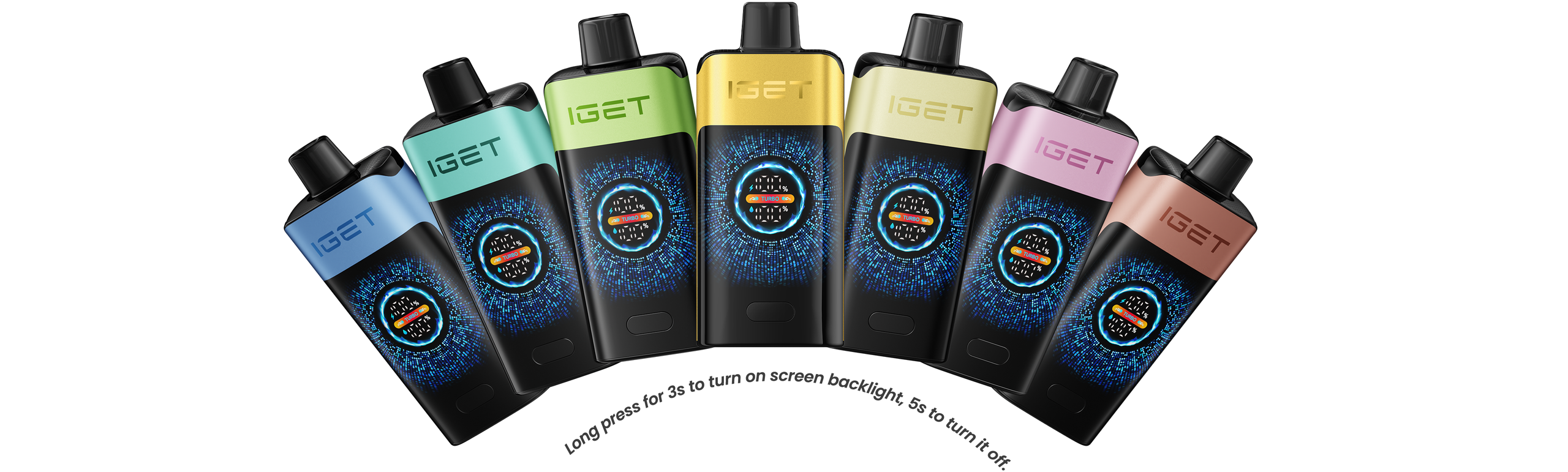
When researching iget one 12000, it is easy to focus on the number of advertised puffs and the available flavours. However, product research involves more than looking at a name or a headline specification. Understanding nicotine information, product descriptions, packaging details and Australian regulations can provide a much clearer picture.
For adult consumers researching vaping products, learning how to identify useful information is especially important. Online listings can contain different descriptions, while product names may not explain everything about the device itself. Here are seven practical ways to approach product information more carefully.
Table of Contents
1. Start With the Main Product Specifications
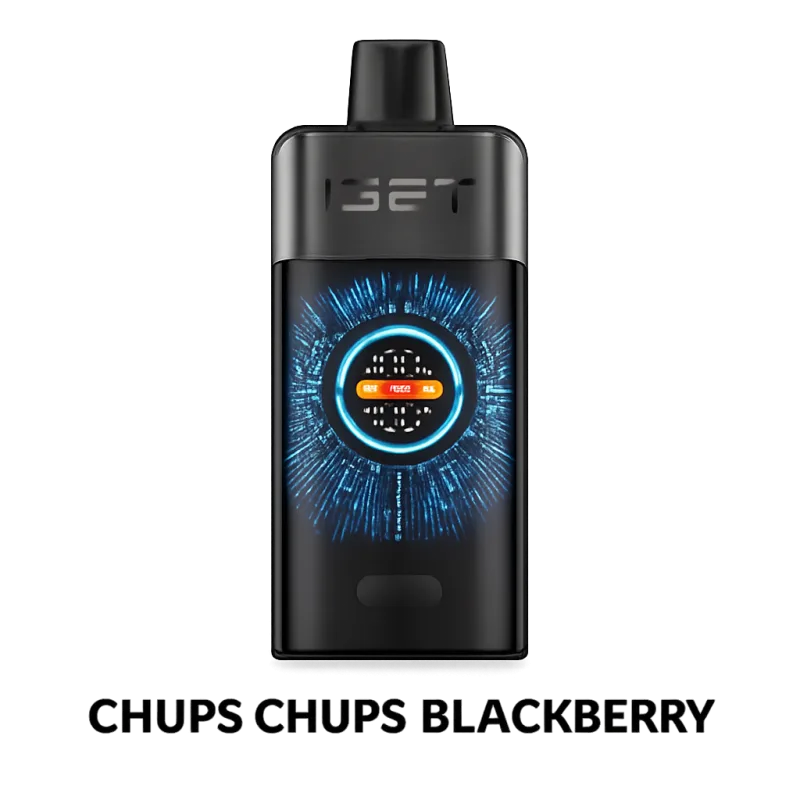
The first step is to look beyond the product name. The 12000 figure in iget one 12000 is generally an advertised puff-count estimate. It should not be interpreted as an exact number of inhalations that every person will receive.
Actual usage can vary according to individual vaping habits, draw length and other factors. Someone taking longer or more frequent draws may use the device differently from another person.
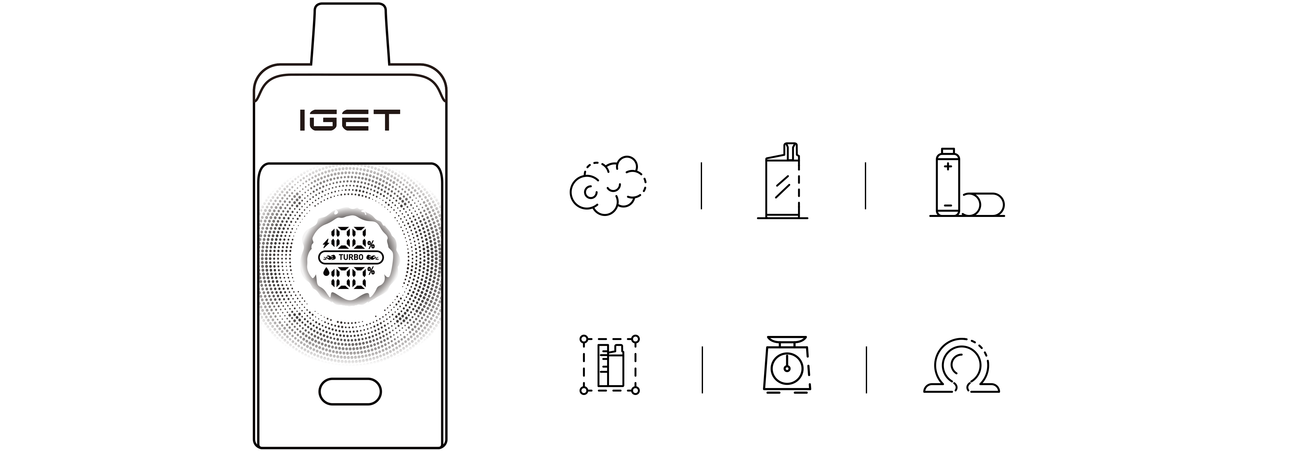
Other specifications can also be relevant, including e-liquid capacity, nicotine concentration, battery information, dimensions and materials. Looking at several specifications together gives a more complete picture than relying on one number.
2. Understand How Nicotine Information Is Presented
Nicotine is another important part of product information. People searching how much nicotine is in an iget bar should check the specific product rather than assuming that every device from a particular brand has identical nicotine content.
Nicotine concentration is commonly expressed in milligrams per millilitre (mg/mL). This measurement describes concentration, while the total liquid volume describes how much e-liquid the device contains. They are related but not interchangeable.
Packaging and product documentation should therefore be checked carefully. Nicotine is addictive, so understanding the concentration is particularly important for adults who already use nicotine products.
3. Don’t Assume Every Listing Uses the Same Information
Online product descriptions are not always presented consistently. One page may emphasise puff count, while another may focus on flavour, battery capacity or nicotine strength.
For example, a search for iget one 12000 may return multiple pages with similar product names but slightly different specifications. Before relying on a specification, compare the information with packaging or manufacturer documentation where available.
This habit is useful for any consumer product, not just vaping devices. A product title is designed to attract attention, while detailed specifications provide more useful information for comparison.
4. Understand What a Tobacconist Can Legally Sell
Another common search is iget tobacconist, particularly when people are trying to understand where vaping products may be available.
Australian vaping regulations have changed significantly in recent years. Under the current framework, therapeutic vaping goods are subject to specific supply requirements, and ordinary tobacconists, vape shops and convenience stores are not authorised to sell vapes simply because they operate as retail businesses. The TGA states that therapeutic vapes can be supplied through pharmacies under the applicable pathways and conditions.
This means the type of business selling a product is an important part of the information consumers should consider.
5. Be Careful With Online Search Results
Search engines can return many results for phrases such as vape online australia. However, being visible in search results does not establish that a particular website is authorised to supply vaping products in Australia.
The TGA states that vapes cannot be purchased from overseas retailers or websites for personal importation into Australia, including where a consumer has a prescription. Products may be stopped or seized at the border if they do not meet the applicable import requirements.
For this reason, consumers should distinguish between a website that provides product information and a website that is legally permitted to supply a product.

6. Check the Source Before Trusting a Product Claim
A useful product description should provide enough information for a reader to understand what is being discussed. Important details can include the product model, nicotine concentration, e-liquid volume, manufacturer information and applicable warnings.
This is particularly useful when comparing information from local cig supplies websites or other online sources. A retailer’s description can be useful for identifying a product, but regulatory information should be checked against official Australian sources.
The TGA provides information about therapeutic vaping goods, current requirements and the notified vape list. Its guidance also explains that inclusion on the notified list does not mean the TGA has assessed a product for safety, quality, efficacy or performance.
7. Separate Product Facts From Marketing Language
Words such as “long-lasting”, “smooth”, “powerful” or “premium” are marketing descriptions rather than technical measurements. They may help describe how a seller wants a product to be perceived, but they should not replace objective specifications.
When researching iget one 12000, try separating measurable information from promotional language. Puff count, nicotine concentration, liquid volume and device dimensions are examples of specifications that can be compared more directly.
The same approach applies when researching vape online australia. A page may contain useful product information while still making claims that require additional verification.
A More Practical Way to Research Vaping Products
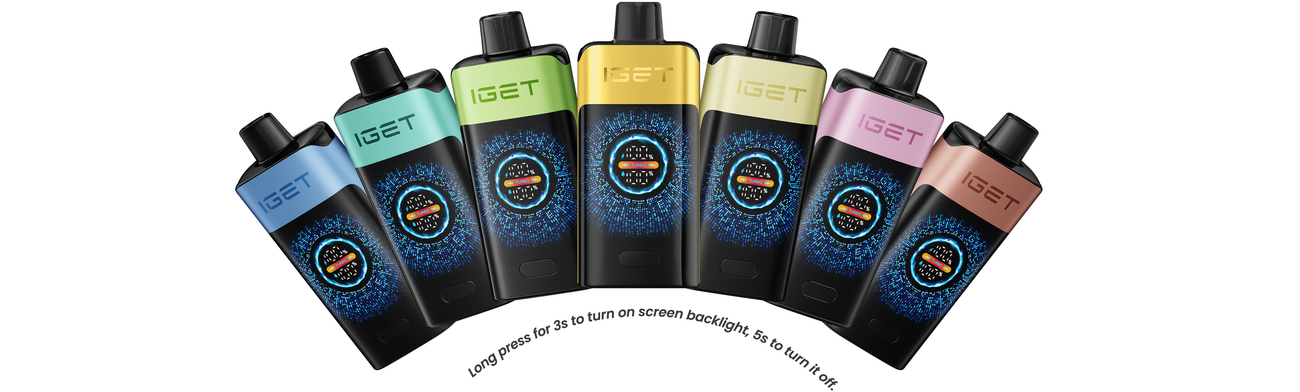
A simple research iget one flavours process can make online information easier to understand. First, identify the exact product model. Second, check the manufacturer’s or packaging information for specifications. Third, separate nicotine concentration from total e-liquid volume. Fourth, check whether the product can legally be supplied through the relevant Australian pathway.
This approach is more reliable than judging a product from its name alone.
It is also worth remembering that Australian vaping regulation is focused on therapeutic use. The TGA explains that therapeutic vapes are not first-line treatments for smoking cessation or nicotine dependence, and approved nicotine replacement therapies and behavioural support remain established options.
Final Thoughts
Good product research is about understanding the information behind the product name. Whether someone starts with iget one 12000, asks how much nicotine is in an iget bar, searches for an iget tobacconist, looks up vape online australia, or visits a local cig supplies website, the same principle applies: check the details and verify important claims.
Looking at specifications, nicotine information, supplier details and Australian regulatory requirements together gives consumers a clearer understanding of what they are seeing online. It also makes it easier to distinguish technical information from promotional wording.
For current Australian requirements, official TGA information should be treated as the primary reference because vaping regulations and supply requirements can change over time.